
Timber has long been an essential material in construction, furniture making, and crafting. Whether you’re a DIY enthusiast, a professional craftsman, or simply curious about timber, understanding the differences between the different types of timber is important. Let’s explore the diverse world of timber in the UK and discover the best options for your projects.

Man-made timber
Man-made timber, also known as mass timber, is made by binding or fixing timber fibres, particles, or veneers together using adhesives. These materials are designed to provide the benefits of timber while overcoming some of its natural limitations.
Popular types of man-made timber:
Medium Density Fibreboard (MDF): MDF is created from timber fibres mixed with adhesive and compressed into dense boards. It’s smooth, versatile, and easy to work with. MDF is commonly used in kitchen cabinetry and custom-built furniture due to its smooth surface, which is ideal for painting and veneering. It’s also used for decorative panels and mouldings where a sleek finish is desired, making it ideal for furniture, cabinetry, and decorative panels. However, MDF is not suitable for high-moisture environments as it can swell and degrade.
Plywood: Plywood is often used in the construction of floors and walls due to its strength and stability. It is also a popular choice for furniture making, including bookshelves and cabinets, as it provides a strong, flexible surface.
Oriented Strand Board (OSB): OSB is manufactured from strands of timber oriented in specific directions and bonded with adhesives. It is frequently used for wall sheathing and sub flooring in residential and commercial construction. Its cost-effectiveness and structural integrity make it a practical choice for these applications.

Softwood
Softwood comes from coniferous trees (evergreens) and generally has a lighter colour, and less density compared to hardwood. It is often used in construction and furniture making.
Different types of softwood:
Scots Pine: This is one of the most common softwoods in the UK. Scots Pine is known for its light colour and straight grain. It is used in everything from furniture to structural timber due to its availability and workability.
Sitka Spruce: Known for its excellent strength-to-weight ratio, Sitka Spruce is used extensively in construction and musical instruments. Its light colour and straight grain make it a favourite for crafting and building.
Larch: A favourite among architects, Larch is prized for its durability and suitability for outdoor applications like timber cladding. It stands out among softwoods due to its greater resilience, being native to cold climates and naturally resistant to decay.
Douglas Fir: The softest of softwoods, douglas fir is ideal for both internal and external joinery, including flooring. It is commonly used in construction for structural work, cladding, and heavy-duty framing. Additionally, douglas fir is also used for manufacturing sashes, doors and windows as well as for fishing hooks and handles.

Hardwood
Hardwood comes from broad leaf trees and is generally denser and more durable than softwood. It is often used in high quality furniture, cabinetry, and flooring.
Different types of hardwood:
Oak: Oak is a popular hardwood in the UK known for its strength, durability, and attractive grain patterns. It’s used in everything from furniture to flooring and is appreciated for its resistance to wear and tear.
Sapele: Sapele is a durable hardwood native to tropical Africa, highly prized for its strength, beauty, and versatility. While it shares similarities with mahogany, Sapele is denser and harder, making it a popular alternative for fine furniture, cabinetry, flooring, and musical instruments. Frequently used in doors, windows, and guitars, it offers a refined aesthetic combined with lasting resilience. Sapele is also considered sustainable when sourced from well-managed forests, often carrying eco-certifications like the FSC.
Ash: Ash is known for its light colour and strong, flexible properties. It’s often used in furniture and sports equipment due to its resilience and ability to absorb shock.

Choosing the right timber
When selecting timber for a project, consider factors such as durability, appearance, and the specific requirements of your project. Softwood is generally more affordable and easier to work with, while hardwood offers greater strength and longevity. Man-made timber provides versatility and can be tailored to specific needs, though it may not have the same natural qualities as traditional timber.
Understanding the different types of timber available can help you make the best choices for your projects. Whether you’re building, crafting, or simply exploring, the rich variety of timber in the UK offers endless possibilities.
Here at Timber Technology, we use only the finest timber for all our projects, ensuring exceptional quality and durability in every piece.
Why not explore some of our bespoke timberwork and get inspired for your own projects?

Bespoke timberwork FAQ’S
RELATED POSTS
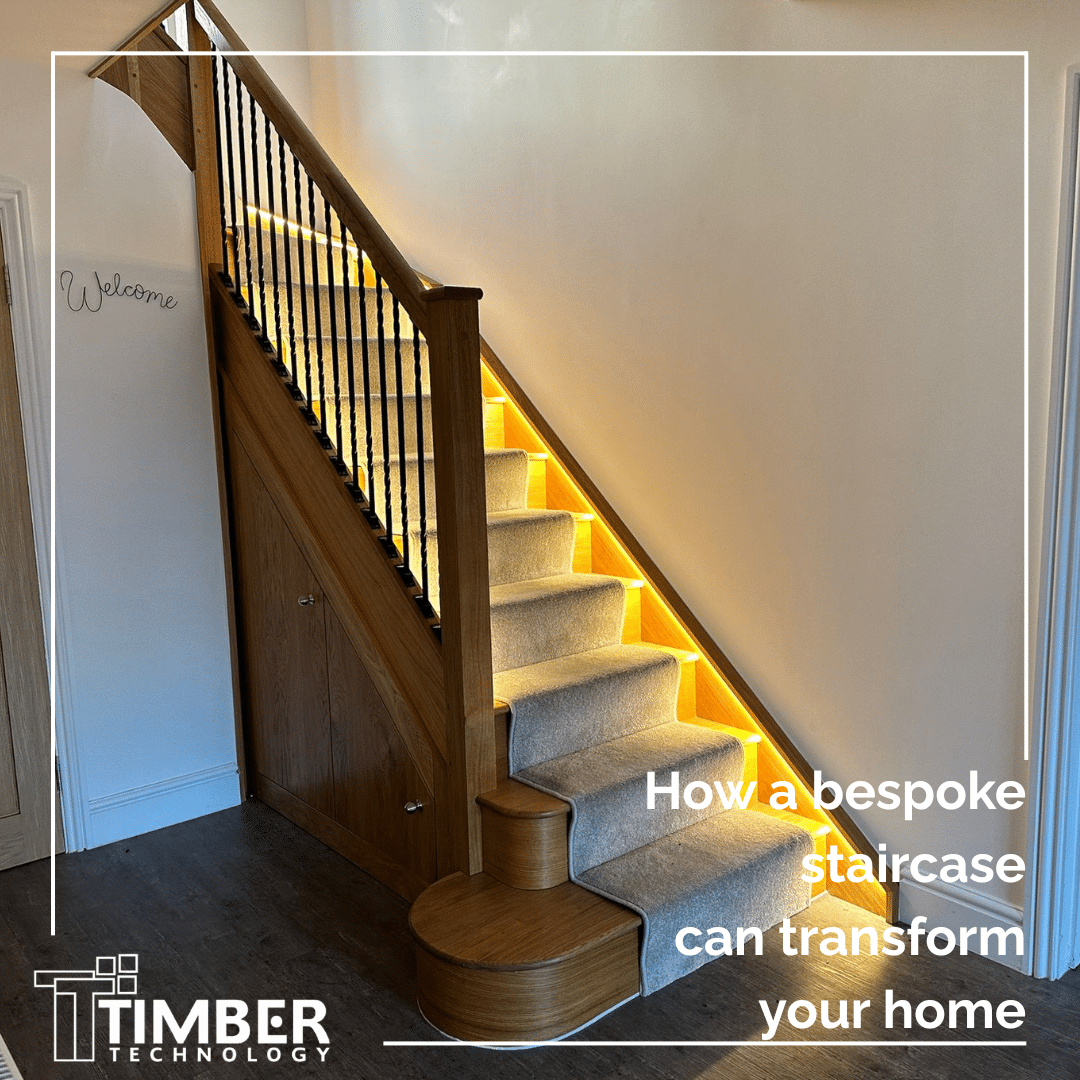
How a bespoke staircase can transform your home
A staircase is often one of the first architectural features you see when you enter a home. Yet, it is easy to overlook just how much influence it can have [...]

Bespoke Joinery Packages for Builders, Developers & Contractors
At Timber Technology, we work alongside builders, contractors, developers, interior designers and architects to manufacture and install high-quality bespoke joinery packages for residential and commercial projects throughout Hampshire, Surrey, Berkshire [...]

Home improvements that add the most value to your home
Whether you are planning to sell your property in the near future or simply want to make your home work better for you, the right improvements can make a significant [...]
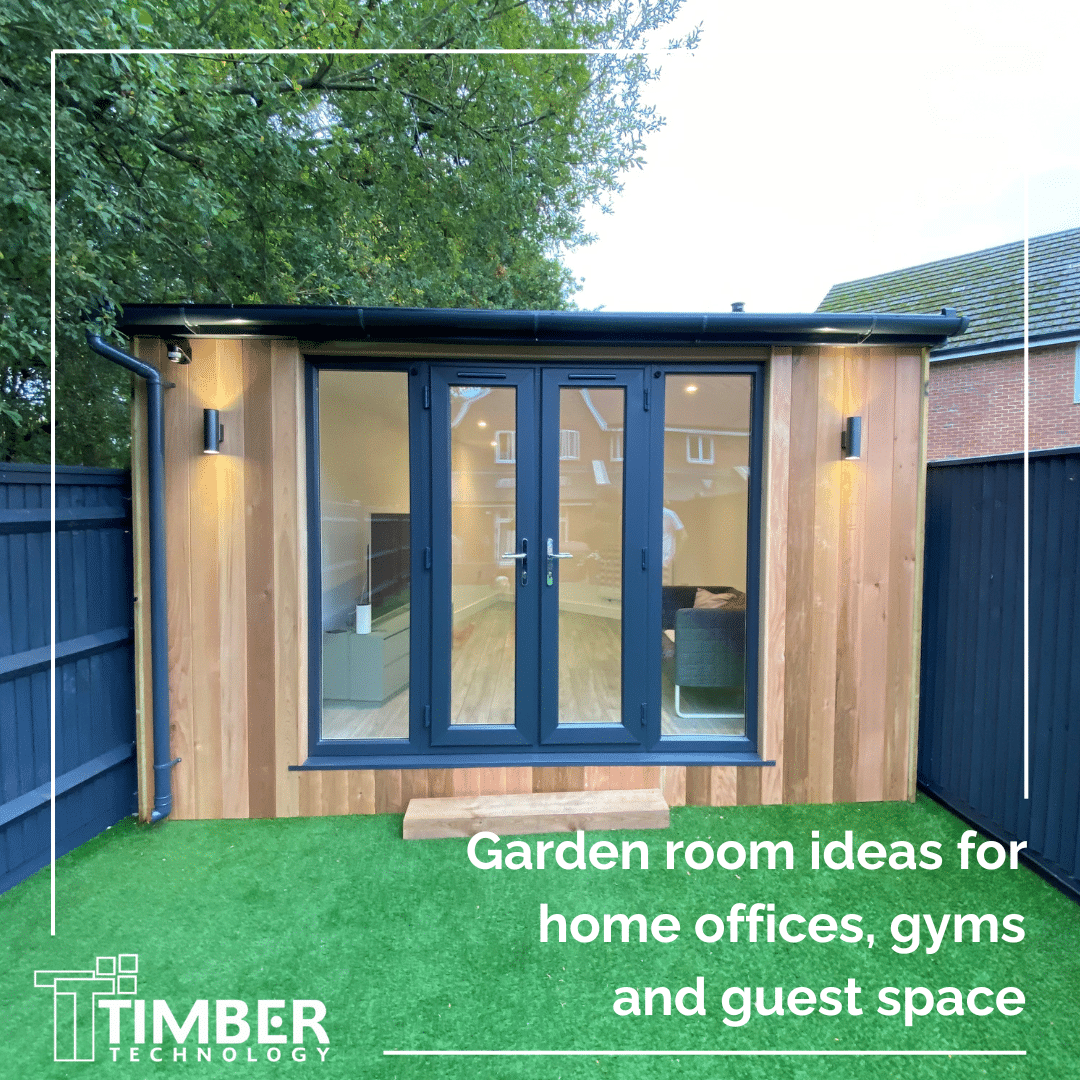
Garden room ideas for home offices, gyms and guest space
As homeowners look for ways to maximise their living space without the disruption of a traditional extension, garden rooms have become one of the UK's most popular home improvement investments. [...]


